
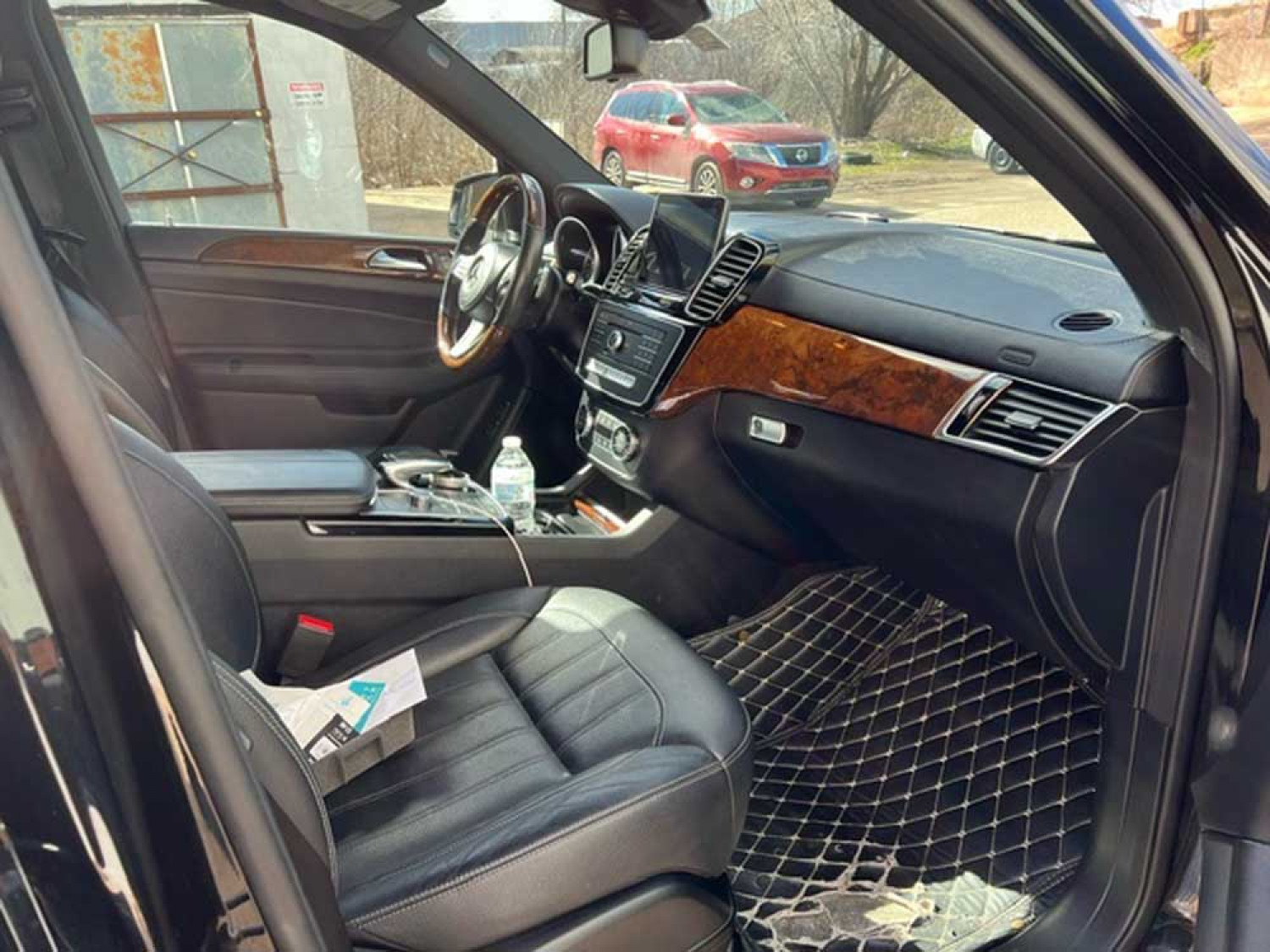
What Stays Cleaner After Application
Leather seats and door panels shed liquids instead of absorbing them, which means spilled drinks sit on the surface long enough for you to wipe them away without leaving a shadow or watermark. Fabric upholstery resists penetration from the oils in skin contact and food particles, so dirt lifts out with less scrubbing during routine cleaning. Plastic trim around air vents, center consoles, and door handles stays matte or glossy depending on its original finish, without the buildup of conditioning products that leave residue.
After the coating cures, you see water bead on leather armrests the same way it does on a ceramic-coated exterior panel. Fabric seats release pet hair and crumbs more easily during vacuuming because fibers are less porous. Trim pieces maintain their factory texture without the slick, greasy feel that comes from repeated applications of spray protectants.
The coating does not eliminate the need for cleaning, but it changes how dirt adheres to surfaces, shortening the time required to restore the interior to a clean state. Regular vacuuming and damp-cloth wiping become more effective because contaminants sit on top of the coating rather than bonding with the material underneath.
What Owners Ask About Interior Protection
Vehicles used daily in Lawton accumulate dust, UV exposure, and temperature swings that accelerate interior wear. These answers address how ceramic coating responds to those conditions.
- How long does the coating remain effective on fabric and leather? Most interior ceramic coatings maintain their protective properties for one to two years depending on how often the surfaces are cleaned and how much direct sunlight enters the cabin through the windows.
- What happens if you spill something on a coated seat? Liquids pool on the surface instead of soaking in immediately, giving you several minutes to blot the spill with a microfiber towel before any staining occurs.
- Does the coating change how leather or fabric feels to the touch? Properly applied interior coatings do not alter the texture of the material; leather retains its natural grain and fabric maintains its weave without added stiffness or slickness.
- Can you apply the coating to all interior surfaces at once? Yes, leather, fabric, and plastic trim are treated during the same service as long as the surfaces are clean, dry, and free from existing damage that would prevent proper bonding.
- Why does UV exposure in Lawton affect unprotected interiors more than in other regions? Prolonged sunlight through windshields and side windows heats interior surfaces beyond the temperature of the outside air, accelerating the breakdown of dyes and plasticizers in materials that lack UV-blocking protection.